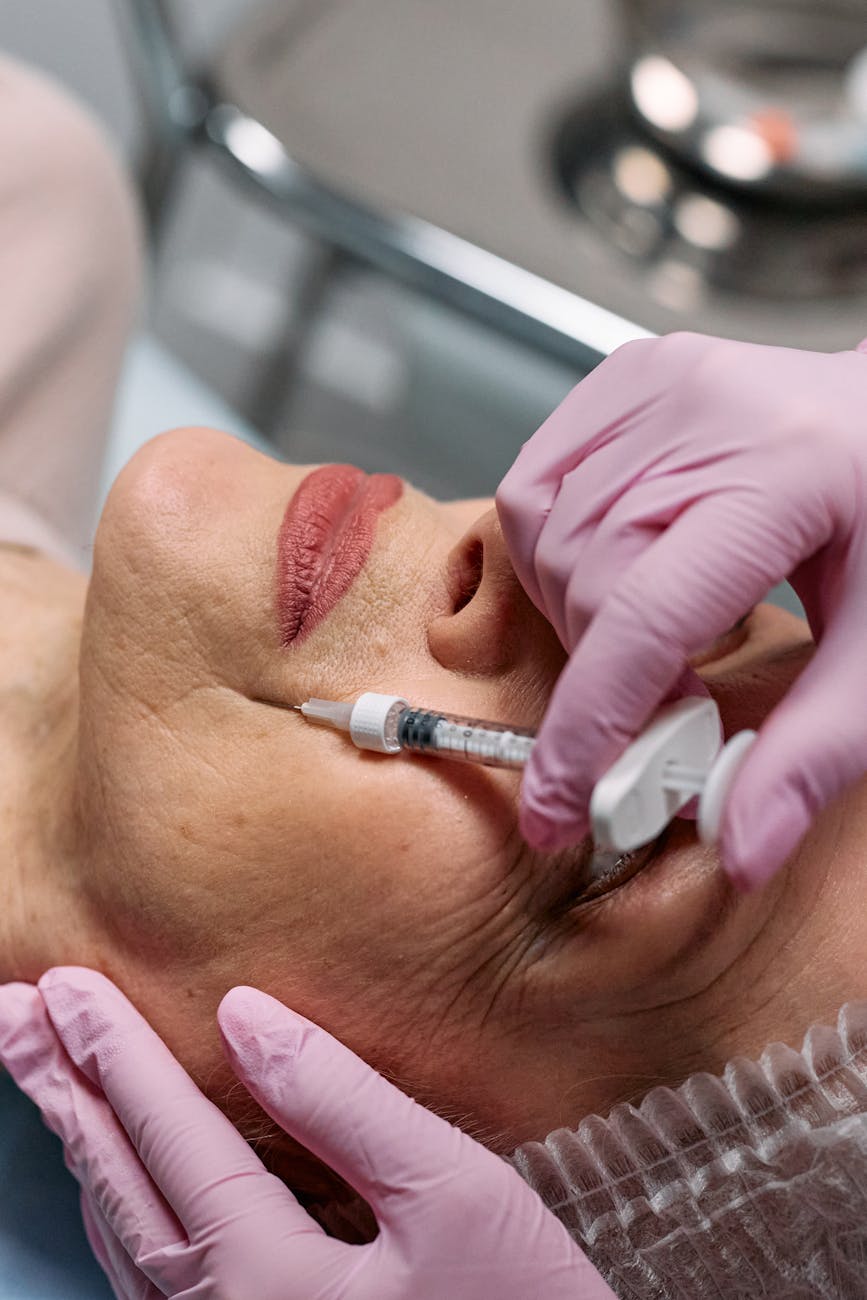
In the ever-evolving world of skincare and cosmetic procedures, hyaluronic acid filler has gained considerable popularity. From plumping lips to reducing the appearance of wrinkles, this versatile substance has become a staple in many beauty routines.
However, like any cosmetic treatment, it’s essential to understand both the benefits and potential side effects before deciding to undergo the procedure.
The Benefits of Hyaluronic Acid Filler
- Natural Ingredient: Hyaluronic acid is a substance that naturally occurs in the human body, primarily in the skin, connective tissues, and eyes. As a result, it is generally well-tolerated and less likely to cause allergic reactions or adverse effects.
- Hydration and Plumping: One of the key benefits of hyaluronic acid filler is its ability to attract and retain moisture. When injected into the skin, it can instantly hydrate and plump, reducing the appearance of fine lines, wrinkles, and hollow areas.
- Versatility: Hyaluronic acid fillers come in various formulations, making them suitable for different areas of the face, including lips, cheeks, nasolabial folds, and under-eye hollows. This versatility allows for customized treatment plans tailored to individual needs.
- Long-lasting Results: While hyaluronic acid fillers are not permanent, they typically provide results that last anywhere from six months to two years, depending on the specific product used and the area treated. Regular maintenance treatments can help prolong the effects.
- Minimal Downtime: Unlike more invasive cosmetic procedures, such as surgery, hyaluronic acid filler injections typically require minimal downtime. Patients can often resume their daily activities immediately after treatment, with only minor swelling or bruising that resolves within a few days.
Potential Side Effects of Hyaluronic Acid Filler
- Temporary Swelling and Bruising: It’s common for patients to experience some swelling, redness, or bruising at the injection site following treatment. These side effects are usually mild and resolve on their own within a few days.
- Allergic Reactions: Although rare, some individuals may be allergic to hyaluronic acid or other components of the filler. Allergic reactions can manifest as redness, itching, or swelling beyond the injection site. It’s essential to discuss any known allergies with your healthcare provider before undergoing treatment.
- Lumpiness or Unevenness: Inexperienced injectors or improper injection technique can sometimes result in lumps, bumps, or asymmetry in the treated area. Choosing a qualified and experienced healthcare provider is crucial to achieving natural-looking results.
- Risk of Infection: As with any injectable procedure, there is a slight risk of infection at the injection site. Providers should follow strict sterilization protocols to minimize this risk, and patients should adhere to post-treatment care instructions to prevent complications.
- Rare Complications: While rare, more serious complications such as vascular occlusion (blockage of blood vessels) or necrosis (tissue death) can occur if the filler is inadvertently injected into a blood vessel. These complications require immediate medical attention.
Conclusion
Hyaluronic acid filler offers a safe and effective solution for enhancing facial features and rejuvenating the skin. With its natural ingredients, versatility, and long-lasting results, it has become a popular choice among individuals seeking non-surgical cosmetic enhancements.
However, like any cosmetic procedure, it’s essential to weigh the benefits against the potential risks and side effects. Consulting with a qualified healthcare provider can help ensure a positive and satisfying experience with hyaluronic acid filler treatment.


Leave a Reply