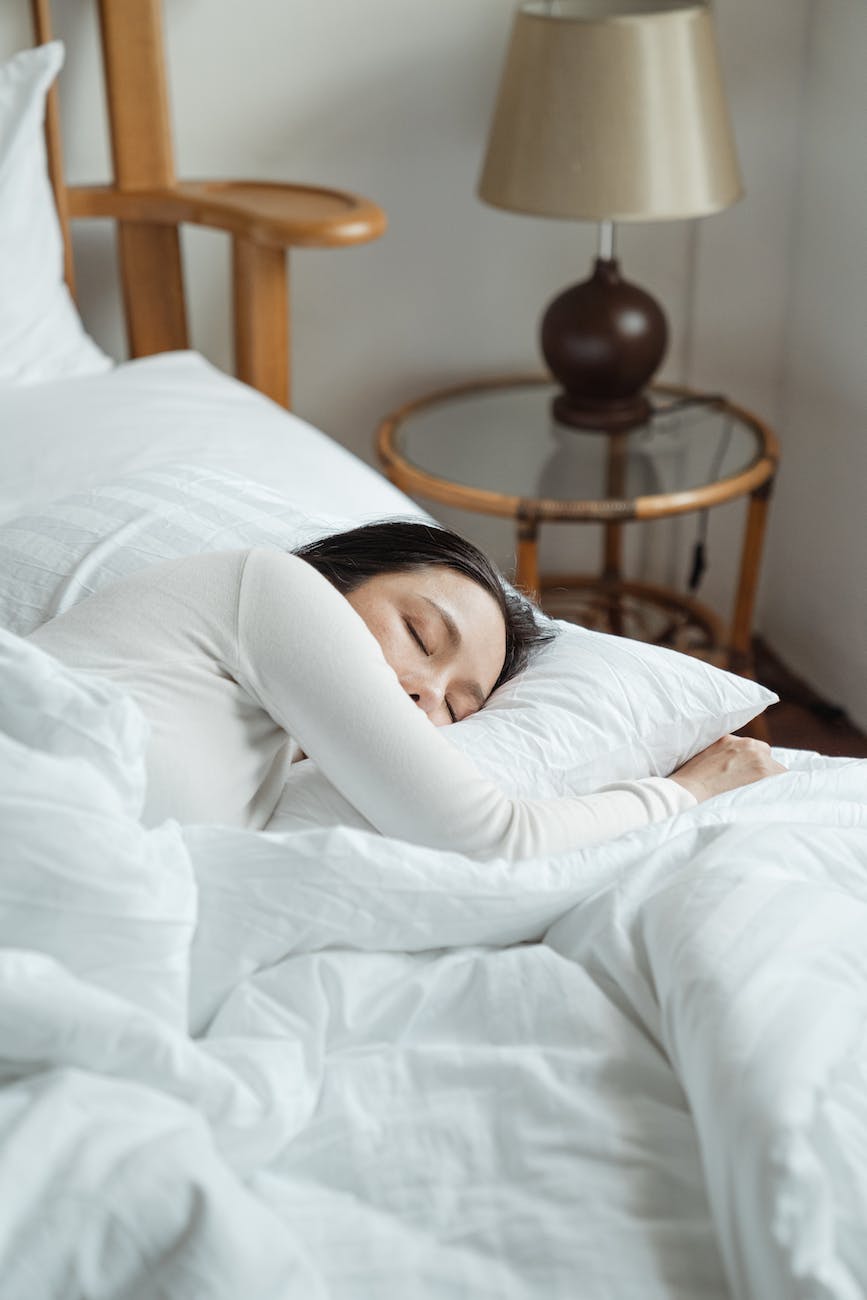
In the pursuit of healthy, radiant skin, we often turn to skincare products and treatments, meticulously following routines and trends. However, amidst this flurry of creams and serums, we may overlook one of the most potent factors influencing our skin’s health: sleep. Yes, that’s right – the quality and quantity of your sleep can significantly impact the condition of your skin.
In this article, we’ll delve into the fascinating connection between sleep and skin health, exploring how a good night’s rest can be your skin’s best friend, while sleep deprivation can wreak havoc on its appearance.
The Importance of Sleep for Skin Regeneration
Your skin undergoes a remarkable rejuvenation process while you sleep. During the night, the body enters a state of restorative rest, allowing cells to repair and regenerate. This includes skin cells, which work tirelessly to undo the damage caused by environmental stressors like UV radiation, pollution, and free radicals.
Moreover, adequate sleep is crucial for maintaining the delicate balance of hormones that influence skin health. Hormones like cortisol, often referred to as the stress hormone, can wreak havoc on your skin when levels are elevated due to lack of sleep. Increased cortisol levels can lead to inflammation, collagen breakdown, and accelerated aging, resulting in dull, lackluster skin and an increased likelihood of acne breakouts.
The Impact of Sleep Deprivation on Skin
Conversely, a lack of sleep can have detrimental effects on your skin’s appearance and overall health. Chronic sleep deprivation disrupts the body’s natural repair mechanisms, impairing collagen production and diminishing the skin’s ability to retain moisture. This can lead to a host of skin concerns, including:
- Premature Aging: Sleep deprivation accelerates the aging process, leading to the formation of fine lines, wrinkles, and sagging skin. Without sufficient rest, the skin loses its elasticity and firmness, resulting in a tired, aged appearance.
- Dark Circles and Puffiness: Ever noticed dark circles or puffiness under your eyes after a sleepless night? This is due to increased blood flow to the area, combined with fluid retention, making the delicate skin under your eyes appear swollen and discolored.
- Dull Complexion: Lack of sleep can leave your skin looking dull and lackluster. This is because insufficient rest disrupts the skin’s natural renewal process, leading to a buildup of dead skin cells on the surface.
- Increased Acne: Sleep deprivation can exacerbate existing skin conditions, such as acne. Elevated stress hormones can trigger inflammation and oil production, leading to clogged pores and breakouts.
Tips for Improving Sleep Quality and Enhancing Skin Health
Now that we understand the critical link between sleep and skin health, it’s essential to prioritize restful sleep as part of your skincare routine. Here are some tips to help you improve sleep quality and wake up with a glowing complexion:
- Establish a Consistent Sleep Schedule: Aim for 7-9 hours of quality sleep each night by setting a consistent sleep schedule. Go to bed and wake up at the same time every day, even on weekends, to regulate your body’s internal clock.
- Create a Relaxing Bedtime Routine: Wind down before bed with calming activities such as reading, taking a warm bath, or practicing relaxation techniques like meditation or deep breathing exercises.
- Optimize Your Sleep Environment: Create a sleep-friendly environment by keeping your bedroom cool, dark, and quiet. Invest in a comfortable mattress and pillows to support healthy sleep posture.
- Limit Screen Time Before Bed: The blue light emitted by electronic devices can disrupt your body’s natural sleep-wake cycle. Avoid screens at least an hour before bedtime to promote better sleep quality.
- Watch Your Diet and Hydration: Avoid heavy meals, caffeine, and alcohol close to bedtime, as they can interfere with your ability to fall asleep and stay asleep. Stay hydrated throughout the day but limit fluid intake before bed to prevent disruptions due to bathroom trips.
By prioritizing restful sleep and adopting healthy sleep habits, you can support your skin’s natural rejuvenation process and wake up to a complexion that’s refreshed, radiant, and glowing.
In conclusion, the relationship between sleep and skin health is undeniable. Quality sleep is essential for promoting collagen production, reducing inflammation, and supporting overall skin regeneration. By prioritizing restful sleep as part of your skincare routine, you can unlock the secret to healthy, glowing skin from within.
So, the next time you reach for that expensive skincare product, remember that the most potent elixir for radiant skin might just be a good night’s sleep.


Leave a Reply